
Two of Port Lincoln’s long-established tuna families have stopped sending all their southern bluefin to Japan. KIN keeps some of it here, frozen to -60°C within hours of harvest and used from the loin to the heart
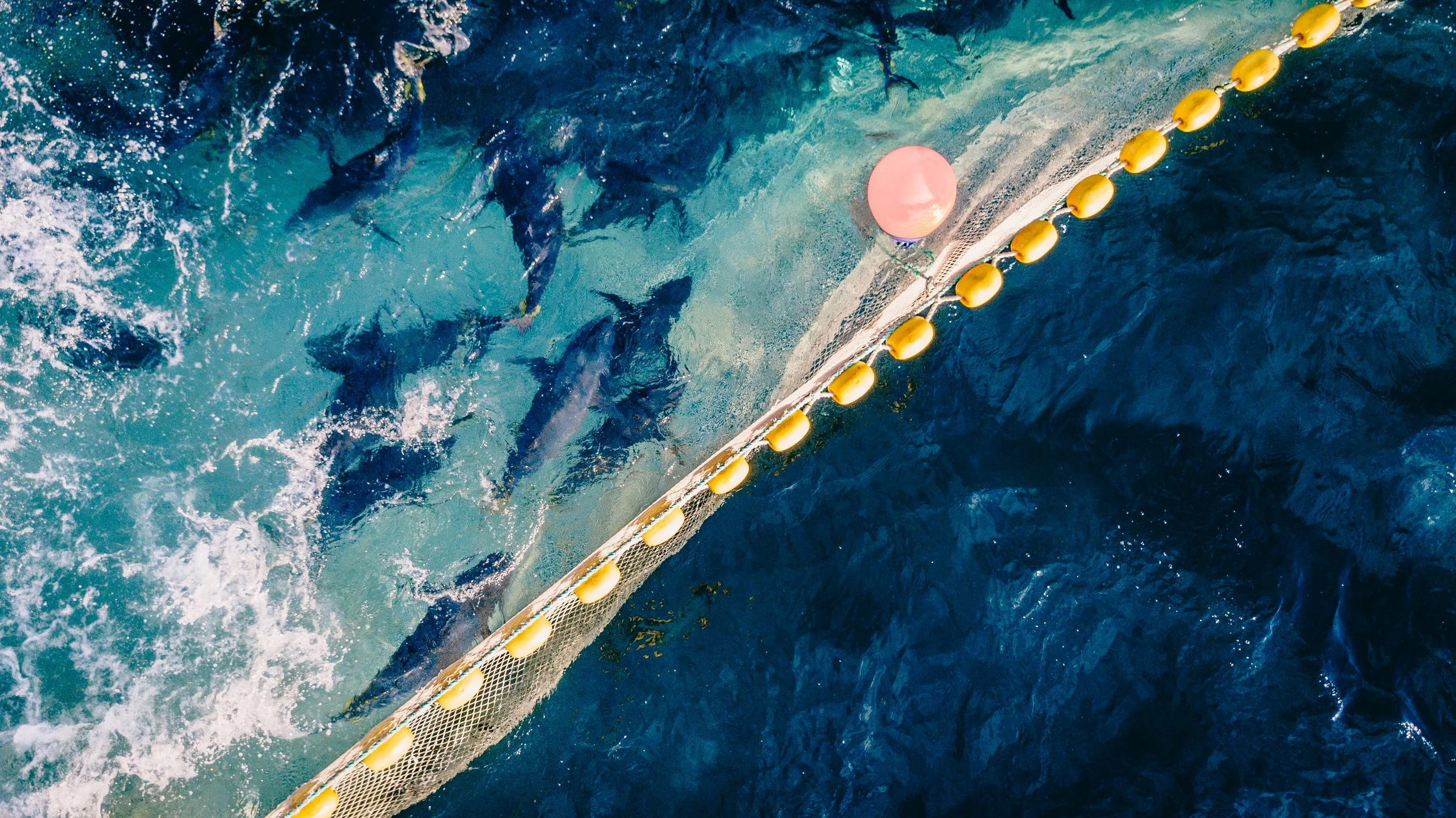
— Southern bluefin tuna, Port Lincoln, South Australia
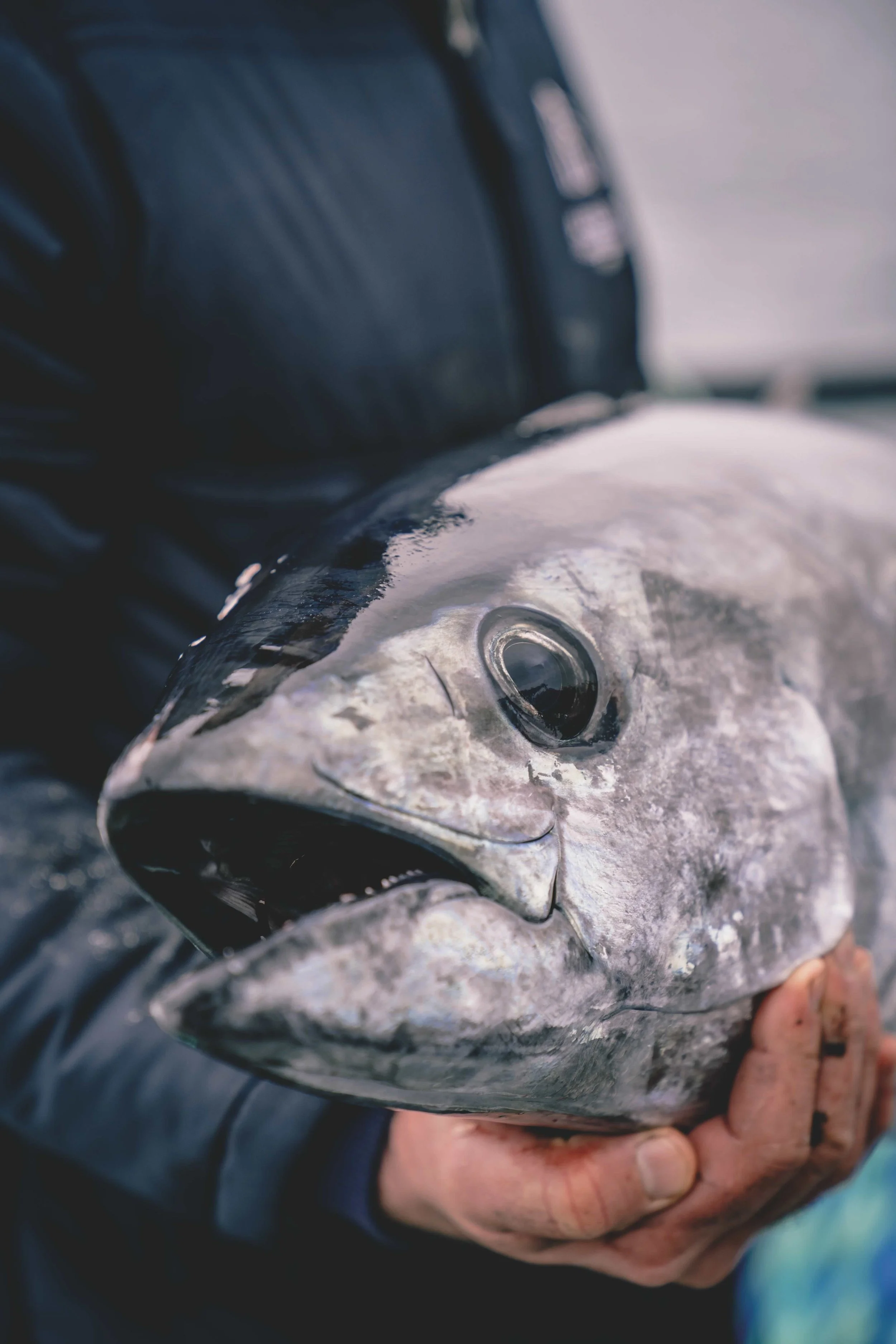
For most of its history, Blaslov Fishing sent every southern bluefin tuna it ranched to Japan. So did most of Port Lincoln. The fish were harvested, graded and shipped whole. The fatty belly that sets the price was cut and eaten a long way from the water it grew in.
“We’ve [historically] sent 100 per cent of our tuna to Japan.”
KIN is what happened when the next generation of two of those families, Blaslov Fishing Group and the Stehr Group, decided to keep some of it. KIN takes fish from the same pontoons and freezes them to -60°C within hours of harvest. Then it sells them in Australia as loins, as cured heart and in cans.
Built for Japan
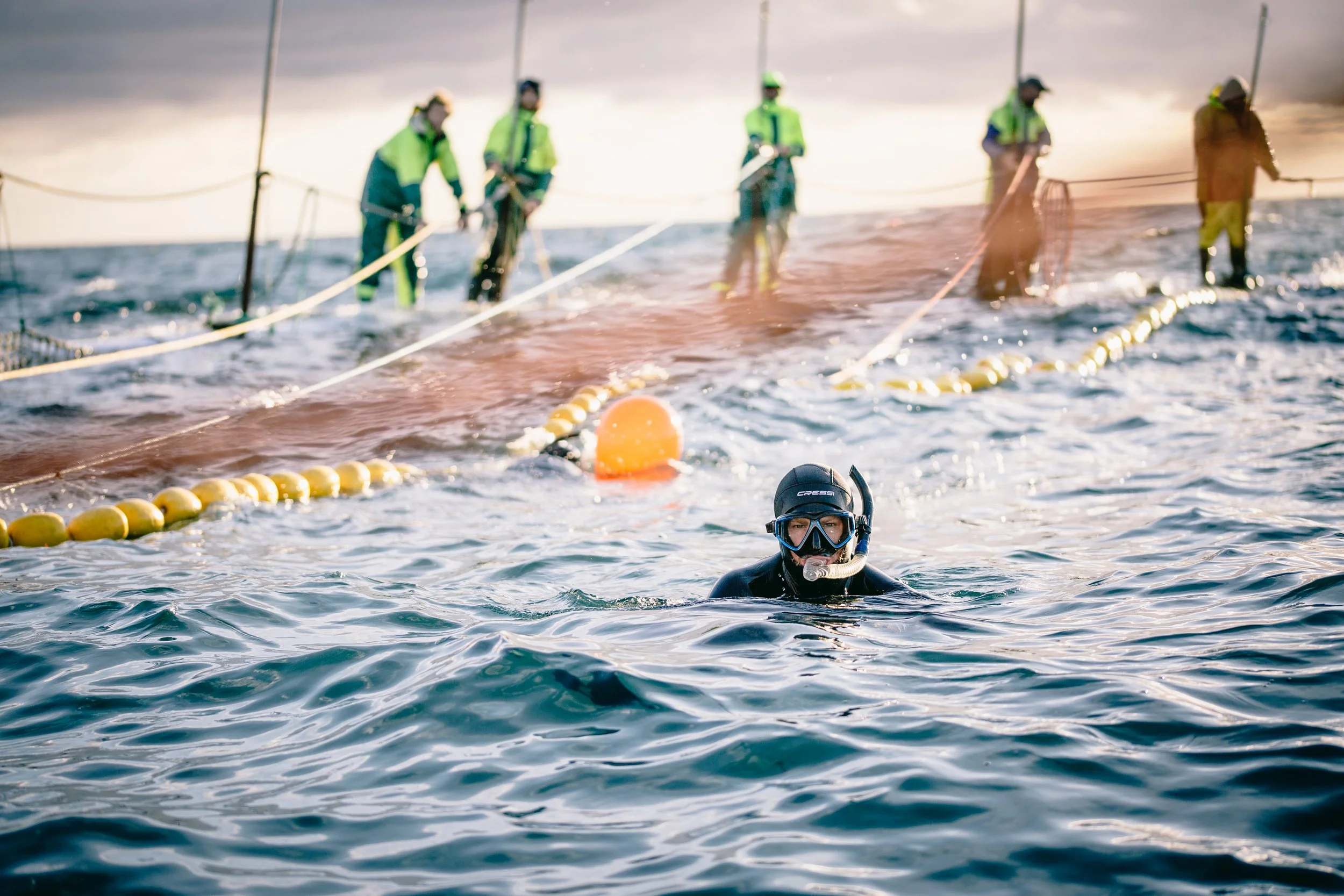
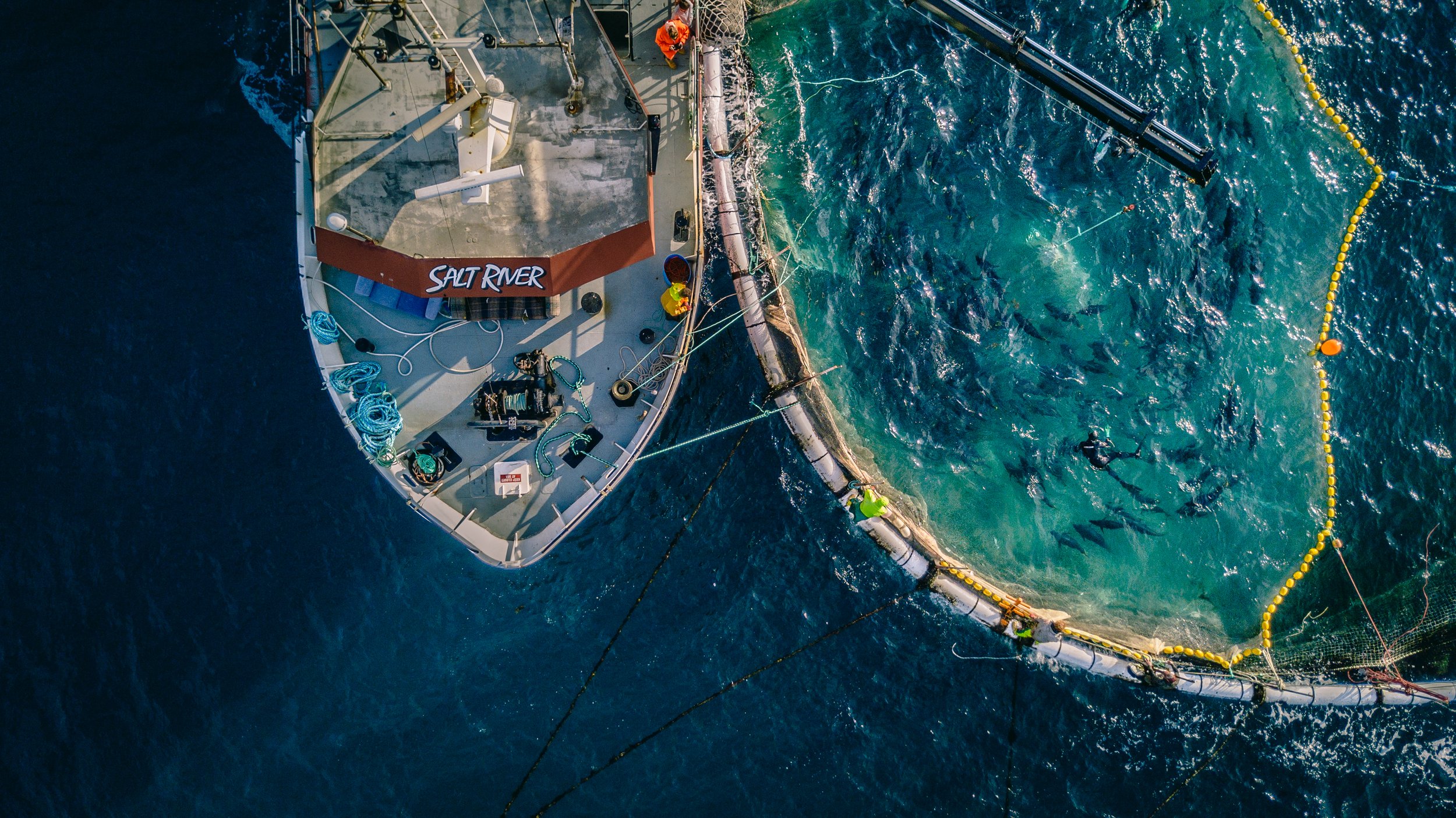
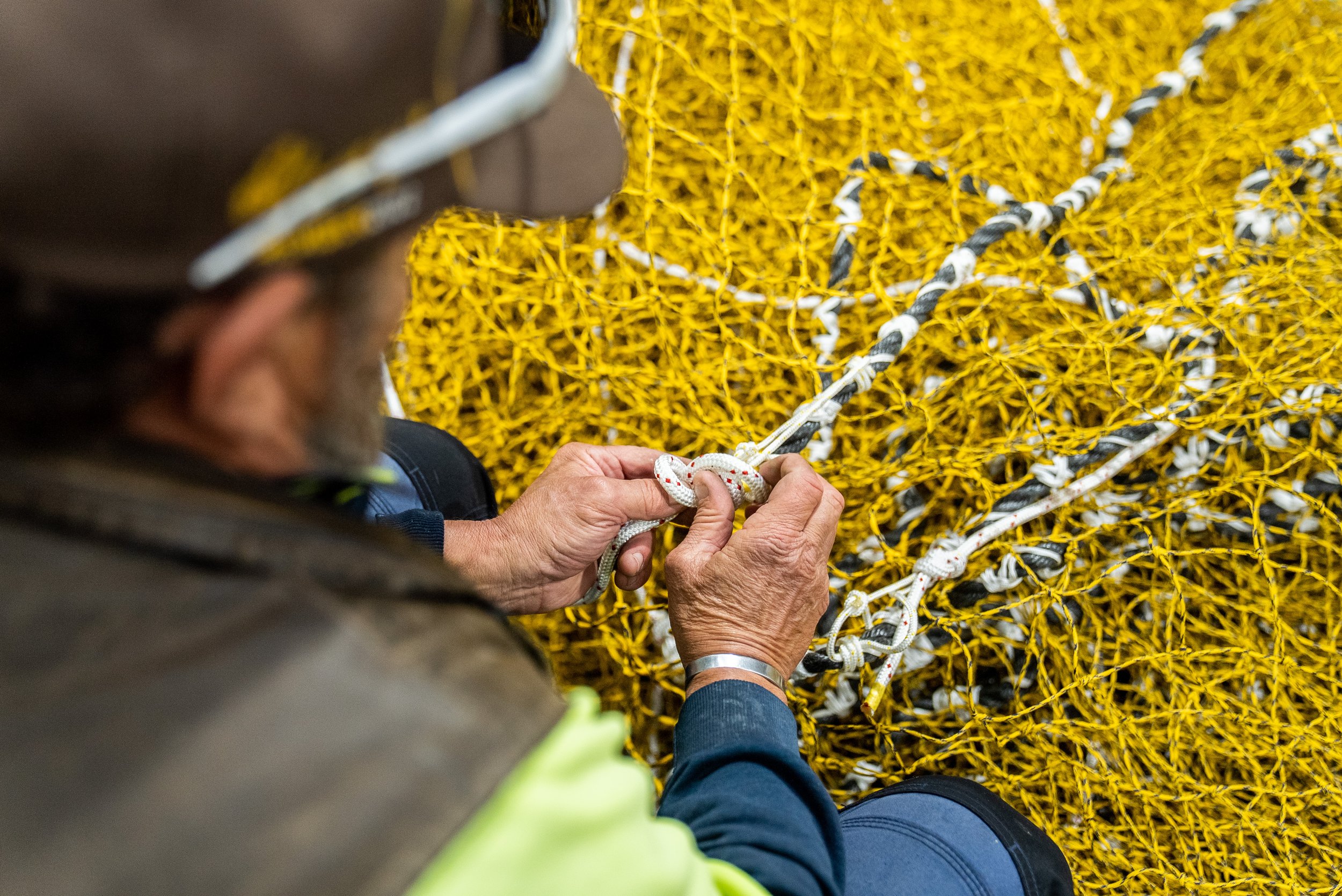
Southern bluefin arrive in the Great Australian Bight from December, following the feed. A purse seiner closes its net around a school. The fish are moved, still swimming, into a tow pontoon, a floating ring of net, and towed back to the ranching grounds in Spencer Gulf off Port Lincoln. They spend around six months there, fed on local sardines and oilier fish such as herring, saury, squid and mackerel, until the flesh carries the fat the sashimi trade pays for.
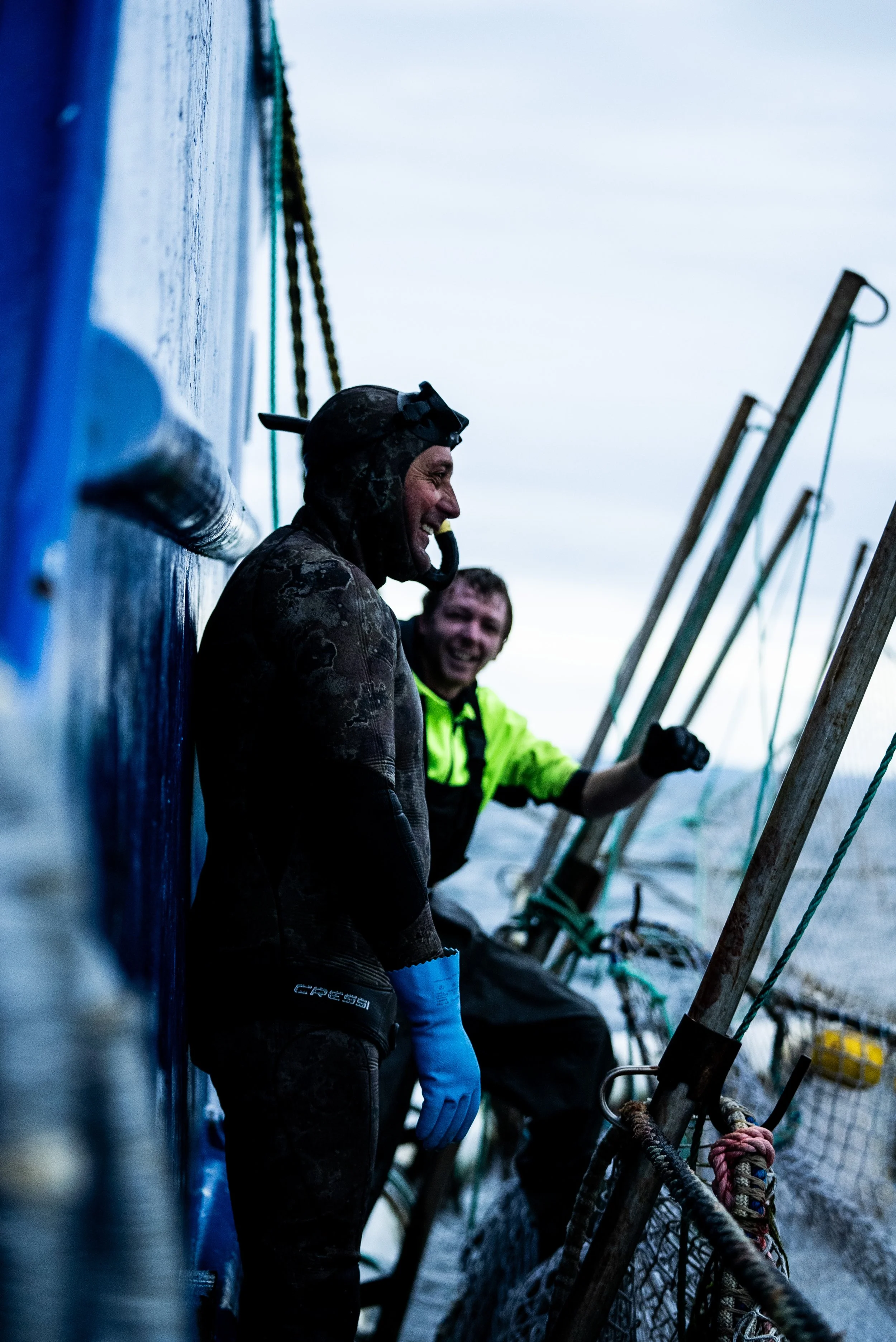
Each fish is tagged, and its weight and length are recorded for the Commission for the Conservation of Southern Bluefin Tuna, the international body that sets the global catch. At harvest the fish are killed by ike jime, a spike to the brain that ends the fight at once and keeps stress out of the flesh.
The counting matters, because the species is still rebuilding. The latest assessment put the spawning stock at around 23 per cent of its unfished level. It is recovering by about five per cent a year, against an international target of 30 per cent by 2035. KIN’s founding families fish within that quota and work with the research bodies tracking the recovery.
Rivals to KIN
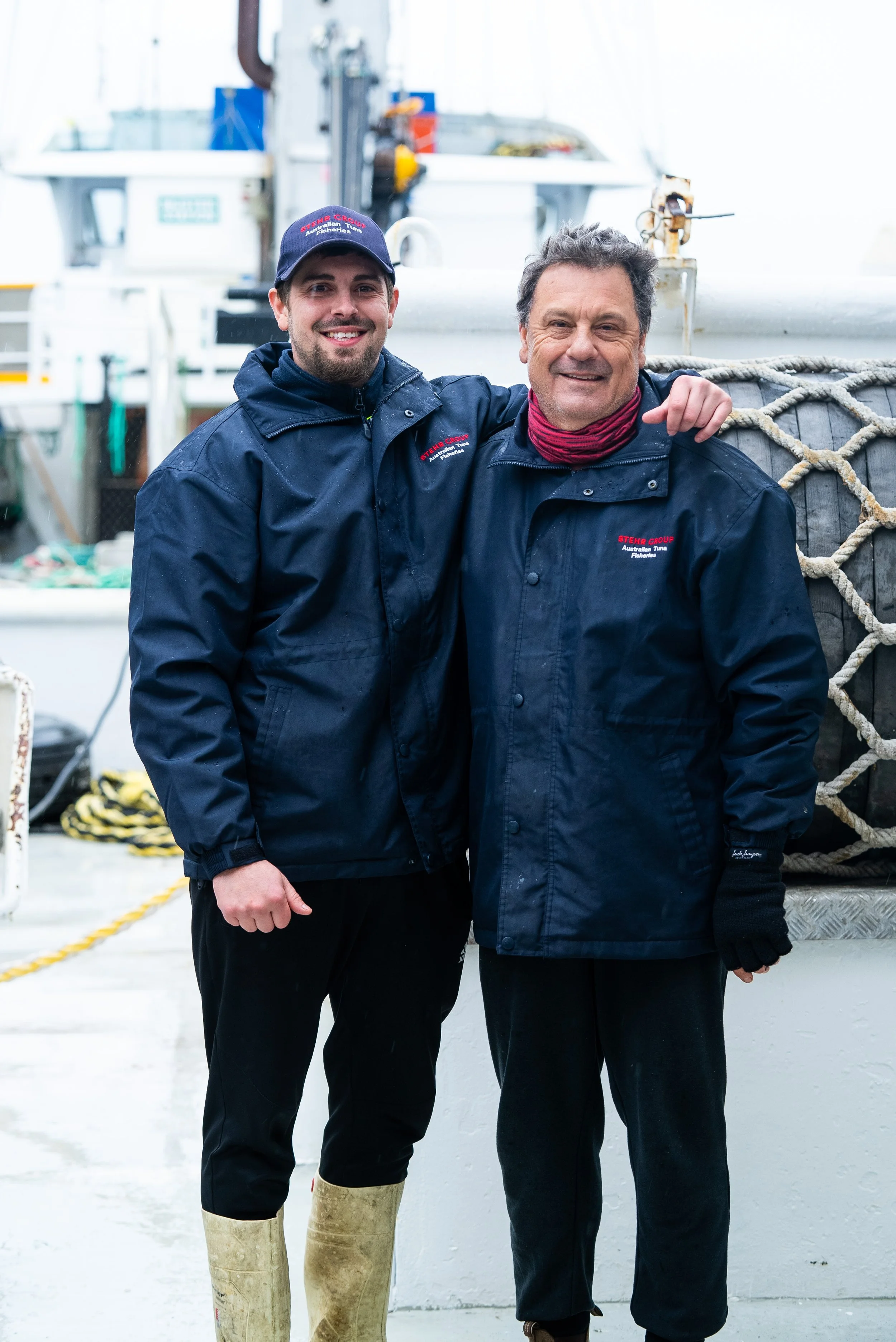
Behind KIN are two of the families that built Port Lincoln’s tuna industry. The Stehr Group goes back to Hagen Stehr, a German immigrant who settled in the town more than fifty years ago. He helped pioneer the purse-seine method the industry still uses, and his son Marcus runs the business now. Meanwhile, KIN Director Simoan follows in the footsteps of Blaslov Fishing founders Anton and Grozdana Blaslov who left Croatia in 1957 for better opportunities. Both moved to Port Lincoln in 1959 under a skilled migrant sponsorship before quickly becoming core contributors to the regions fishing history.
For decades the two families fished under the same quota system and sold to the same buyers. Then COVID-19 disrupted the export trade, and relying on one market started to look like a risk. “Japan is only just keeping us alive at the moment,” Marcus Stehr said in 2021, the year KIN launched. Rather than wait it out, the younger generation of both families pooled their fish and their know-how and built a brand for the home market.
The name says it: kin as in family, and kin as in kindred.
Minus sixty degrees centigrade
A sashimi fish has to survive the trip. The Japanese trade solved that decades ago with ultra-low freezing. At around -60°C, tuna keeps the deep red of its lean meat and the texture of its fat far longer than fish frozen the ordinary way. KIN freezes to -60°C within hours of harvest. That is what lets a fish raised for the Tokyo market travel to a kitchen in Adelaide or Sydney and still be served raw.
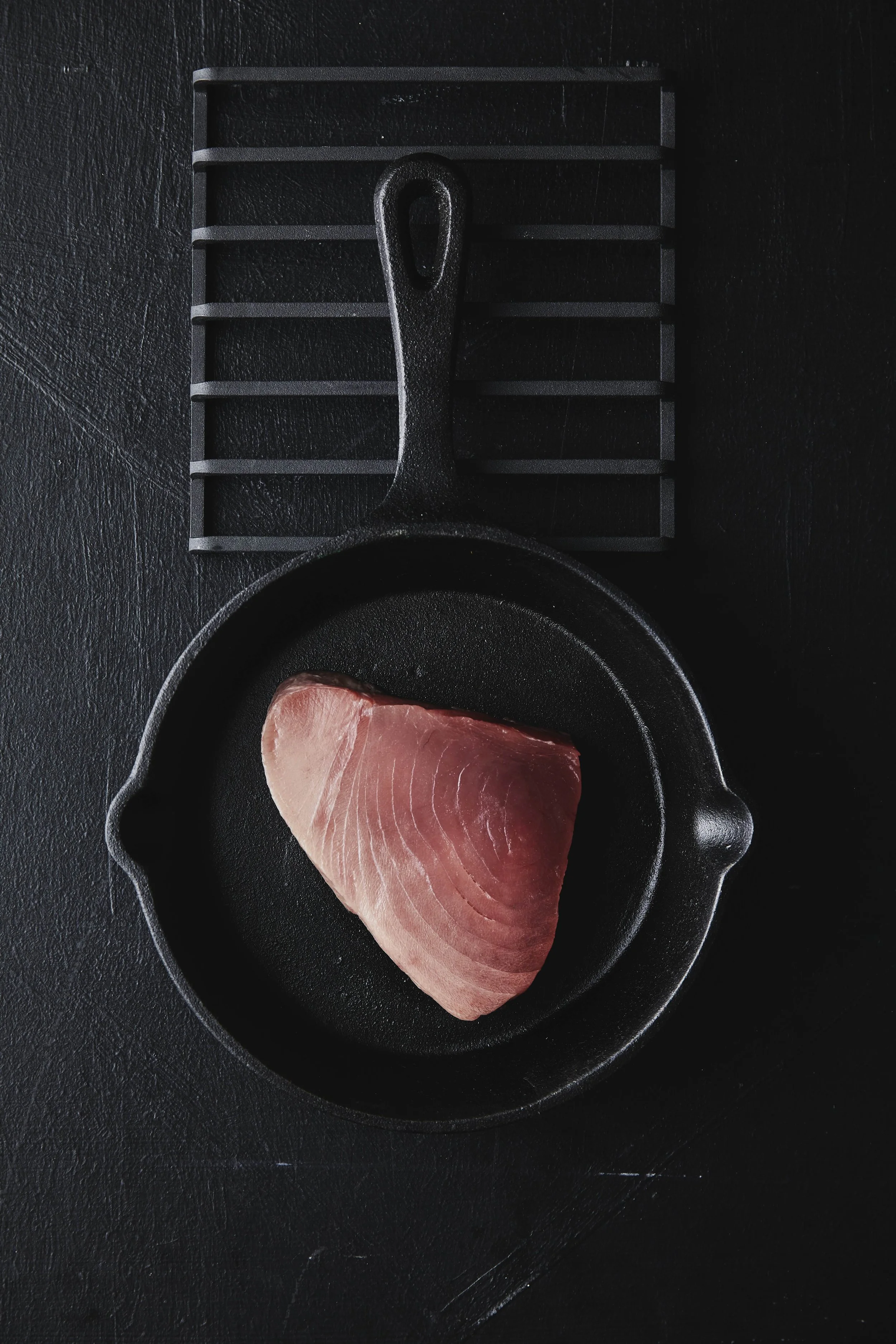
Broken down, the loin runs from akami, the lean, deep-red meat along the back, through chutoro to otoro. Otoro is the marbled belly that Simoan Hayman calls “the wagyu of the sea”.
Heart to fin
When the fish went to Japan whole, the buyer decided what happened to the rest of it. Now that KIN sells its own fish, it has to find a use for every part.
“We’re trying to use everything from the heart to the fin.”
The heart is cured and dried until it can be shaved like bottarga, over pasta or into a sauce for a deep, savoury salinity. It’s a technique long practised on the tuna coasts of Spain and Italy. What isn’t sold as loin or heart goes into KIN’s canned tuna [CONFIRM], so the range covers as much of the fish as it can. For more than thirty years, the best of Port Lincoln’s tuna left on the first ship north. Some of it now stays, heart and all.
KEY STATS
Founders: Blaslov Fishing Group and the Stehr Group, Port Lincoln (KIN)
Launched: KIN collaboration founded in 2021
Place: Caught in the Great Australian Bight; ranched in Spencer Gulf off Port Lincoln, South Australia (Stehr Group)
Method: Purse-seined from December, towed live to Port Lincoln, ranched about six months on sardines and oily fish, harvested by ike jime (Stehr Group)
Traceability: Every fish is tagged, weighed and measured for the CCSBT (Stehr Group)
Handling: Frozen to -60°C within hours of harvest (KIN)
Range: Premium loins (akami, chutoro, otoro), cured tuna heart, canned tuna (KIN; ABC)
Stock: Spawning stock about 23% of its unfished level (2023 assessment), rebuilding about 5% a year; CCSBT target is 30% by 2035 (Department of Agriculture; CCSBT 2025)
GoodFish Sustainability Ranking: Red, Say No